
Entryway Tile Installation in Columbus GA: Why Fall Is the Right Time to Finally Fix That Floor
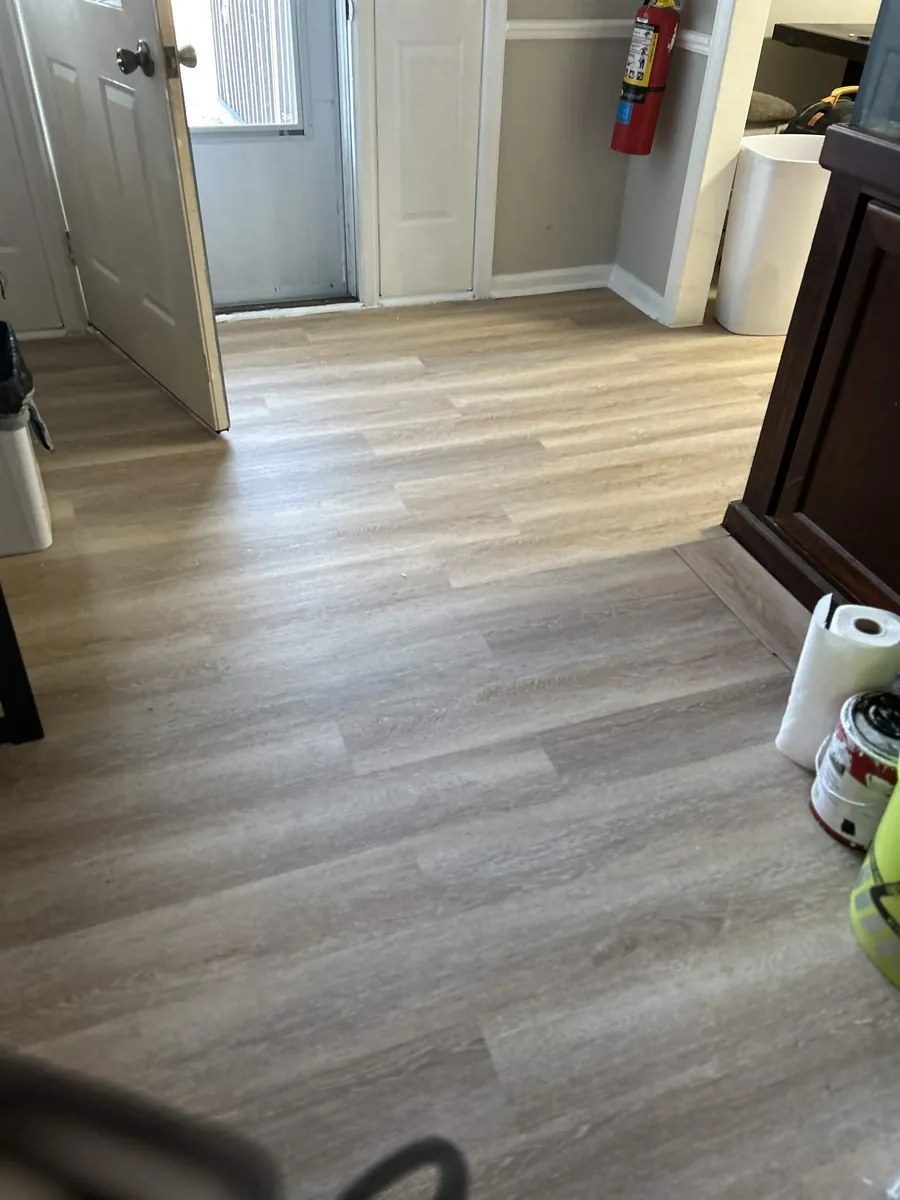
If your entryway or mudroom floor is cracked, stained, or just tired, fall is the window you want for entryway tile installation in Columbus GA. Columbus gets real winter moisture. It is not snow country, but the wet, muddy season from November through February is genuine, and every bit of it gets walked straight through your front door. Once that cycle starts, you are essentially mopping the same floor for four months while the damage underneath keeps spreading.
Installing tile now, before the heavy traffic season, gives the mortar and grout time to cure fully under dry conditions. Tile set in a dry, temperature-stable environment bonds better than tile set in a cold, damp room where the subfloor is already pulling in moisture from daily use. Proper cure time is one of the most overlooked factors in a tile job that lasts versus one that starts popping up at the edges by spring.
#What Tile Material Actually Works for a High-Traffic Wet Entry?
Porcelain is the straightforward answer for most Columbus entryways. It is dense, absorbs almost no water, and holds up to grit, mud, and repeated cleaning without degrading. Look for tiles rated for floor use with a PEI (Porcelain Enamel Institute) rating of 4 or higher for any space that sees regular foot traffic. The Tile Council of North America publishes installation standards and rating guidance worth knowing if you want to understand what those ratings actually mean in practice.
Ceramic tile is a reasonable option if the space is covered and not taking on outdoor moisture directly. It costs less than porcelain and comes in a wide range of finishes, but it is more porous and chips more easily under heavy impact. Natural stone, like slate or travertine, looks excellent but requires more maintenance and must be sealed regularly to stay stain-resistant, a real commitment in a mudroom environment.
| Material | Water Resistance | Durability (High Traffic) | Maintenance Level | Best Use Case |
|---|---|---|---|---|
| Porcelain | Excellent | Excellent | Low | Outdoor-facing entries, mudrooms, covered porches |
| Ceramic | Good | Moderate | Low to moderate | Interior entries with limited direct moisture exposure |
| Natural Stone (Slate, Travertine) | Moderate (unsealed: poor) | Good | High (requires regular sealing) | Interior spaces where appearance is the priority |
#Does the Subfloor Really Matter That Much?
Yes, and this is where most DIY tile jobs fail. Tile is rigid. It does not flex. The subfloor beneath it absolutely cannot flex either, or the grout will crack, the tiles will loosen, and eventually you will have a floor that sounds hollow and shifts underfoot. A subfloor that moves even a small amount under load is enough to compromise the bond over time.
Before any tile goes down, the subfloor needs to be checked for three things: levelness, structural integrity, and moisture. Entryway subfloors often have soft spots from years of wet boots and umbrellas dripping near the door. Any soft or spongy areas need to be addressed before tiling begins. A floor that feels solid when dry can still have hidden damage if moisture has been working at it for a season or two.
Our carpentry, tile, and flooring work in Columbus GA always starts with a proper subfloor assessment for exactly this reason, skipping it costs more in repairs later than taking the time to do it right at the start.
Use a long straightedge across the subfloor before you start. Industry standards typically call for no more than 3/16 of an inch of variation over a 10-foot span for a tile installation to hold up. High spots can be ground down; low spots get filled with floor leveling compound. Skipping this step because it is tedious is the single most common reason tile floors fail early.
In most cases, a layer of cement backer board is installed over the existing subfloor before tiling. This gives the tile mortar something stable and moisture-resistant to bond to, especially important near exterior doors where humidity and water infiltration are facts of life in Columbus winters.
#How Should You Think About Grout for a Mudroom or Entry?
Most homeowners pick grout based on color and do not think much beyond that. In a mudroom or entryway, that approach leads to a floor that looks dingy by February. Grout color matters, but grout type matters more.
Epoxy grout is the most durable and stain-resistant option available. It does not absorb moisture, does not stain from tracked-in mud, and does not need to be sealed separately. The tradeoff is that it is harder to work with and costs more than standard cement-based grout. For a heavily used entryway in Columbus GA, it is usually worth the extra effort.
Standard cement-based grout is fine in many situations, but it is porous and will absorb mud, grease, and moisture if left unsealed. If you go with cement grout, choose a sanded version for joints wider than 1/8 inch, and plan to seal it properly once it has cured.
#What Kind of Sealer Do You Actually Need?
Penetrating sealers are the right choice for most tile and grout applications in a wet entry. They soak into the material rather than sitting on top, which means they protect without creating a film that can peel or discolor. Surface or topical sealers can look good initially but tend to wear unevenly in high-traffic zones, leaving a patchy floor that is more trouble than it is worth.
- Seal grout lines after they have cured fully, typically at least 48 to 72 hours after installation under normal temperature conditions.
- Natural stone requires sealing before and after grouting to prevent the grout from staining the face of the tile.
- Re-sealing cement grout annually in a mudroom or high-traffic entry is a reasonable expectation in a climate like Columbus GA.
- Epoxy grout does not require sealing and is a good reason to consider it for the most demanding spots.
#Can You Install Entryway Tile Yourself, or Is This a Job for a Pro?
Some experienced DIYers handle tile work well. But entryways are a demanding starting point. The space is small, which sounds easier, but small spaces often have more cuts, more transitions, and more angles than an open room. A botched layout in a small entry is immediately visible every time someone walks through the door. If the subfloor also needs repair work before tiling begins, which is common in older Columbus homes, the scope of the project expands quickly beyond what most homeowners plan for.
If the project involves adjacent walls that need patching or finishing after the tile goes in, our drywall and painting services in Columbus GA can handle that work as part of the same project, so you are not left with half-finished walls around a brand-new floor.
The window to get ahead of Columbus's wet season is short. Tile set now, on a properly prepared subfloor, with the right grout and sealer